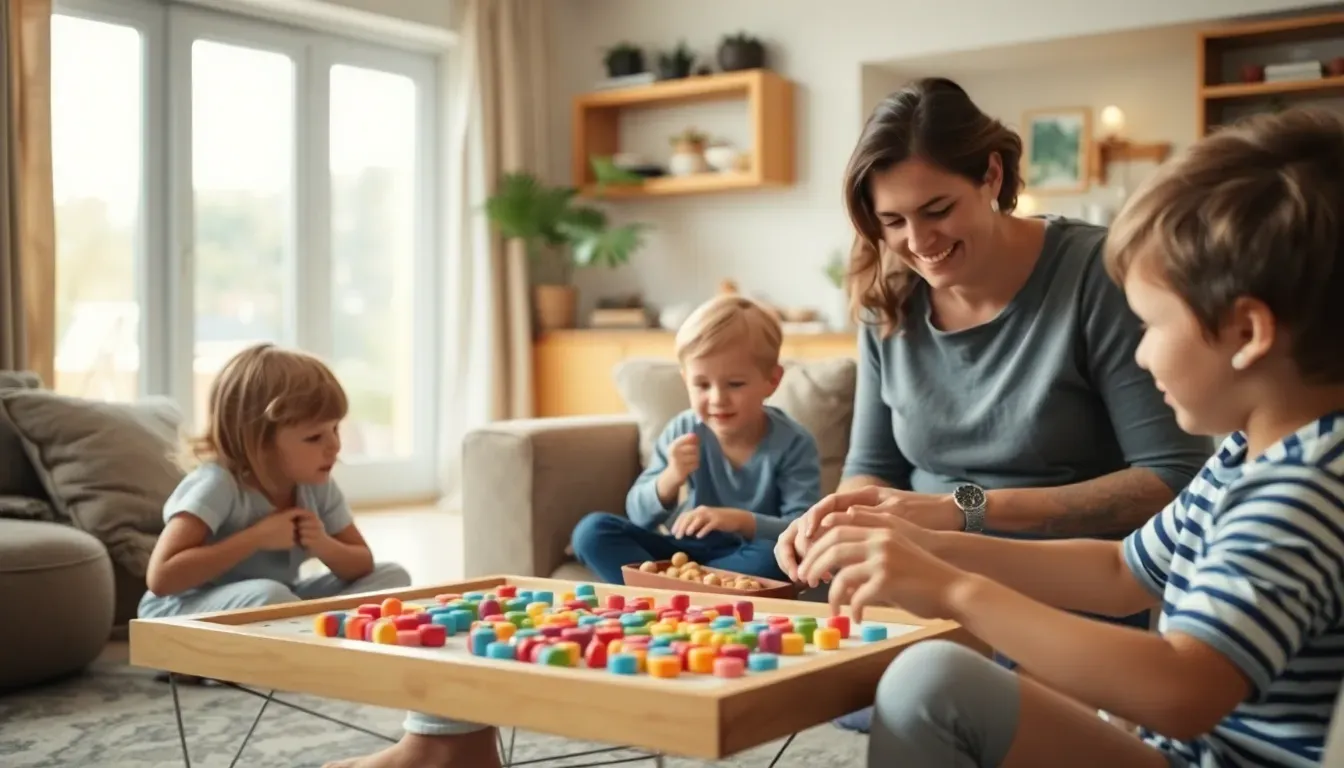
How to Host the Perfect Playdate: A Complete Guide for Parents
Everything you need to know about hosting a playdate - from prep to cleanup. Includes age-specific tips, snack ideas, and how to handle common challenges.
Remember your first time hosting a playdate? The slight panic when the doorbell rang, wondering if you'd childproofed enough, bought the right snacks, or planned enough activities? We've all been there. Whether you're a first-time host or just looking to level up your playdate game, this guide will walk you through everything—from the initial text to the final goodbye hug.
Before the Playdate: Setting Yourself Up for Success
Choosing the Perfect Time
Timing can make or break a playdate. Here's what works best by age:
Toddlers (2-3 years): Keep it short and sweet—90 minutes max. Schedule around nap time (usually 10-11:30am or 3-4:30pm). Any longer and you're asking for meltdowns.
Preschoolers (4-5 years): You've got a 2-hour window here. Mid-morning (10am-noon) or early afternoon (2-4pm) works great. They've got more stamina but still need structure.
Elementary (6-10 years): 2-3 hours is the sweet spot. After-school playdates (3:30-6pm) are popular, but weekend mornings mean more relaxed parents.
Tweens (11+ years): They can handle longer hangouts—3-4 hours or even full afternoons. Just make sure there's a definite end time so parents can plan pickup.
How Many Kids Should You Invite?
The magic formula: Your child's age divided by two, plus one. So a 6-year-old can handle about 4 kids total (including themselves). But honestly? For your first hosting experience, stick with one or two guests. You can always work up to bigger groups.
The Pre-Playdate Parent Communication
This is where you prevent 90% of playdate problems. Send a quick text or email covering:
- Exact start and end times ("Drop off at 2pm, pickup by 4:30pm")
- Your address (include parking tips if needed)
- Food allergies or restrictions ("Planning to serve fruit and crackers—any allergies?")
- Special needs ("Any sensory sensitivities or behaviors I should know about?")
- Parent contact during playdate ("I'll be here the whole time, text if you need anything")
- Dress code if relevant ("We might do art, so clothes that can get messy")
The Strategic Childproof
You don't need to bubble-wrap your house, but a quick safety scan helps:
- Lock up medications, cleaning supplies, and sharp objects
- Close doors to off-limit rooms (your bedroom, home office)
- Put away precious breakables
- Create a designated play zone
- Check your yard for hazards if playing outside
- Have a first-aid kit accessible
Pro tip: Do a toddler's-eye-view crawl through your space. You'll spot dangers you miss standing up.
Setting Up Your Space for Playdate Success
Creating Activity Stations
The secret to smooth playdates? Options. Set up 3-4 activity stations kids can rotate through:
Station 1: Creative Corner
- Coloring books and crayons
- Play-dough (put a tablecloth down first)
- Simple craft supplies
- Sticker scenes
Station 2: Building Zone
- Blocks or LEGO
- Magna-tiles
- Marble runs
- Train tracks
Station 3: Pretend Play
- Dress-up clothes
- Play kitchen
- Dollhouse or action figures
- Puppet theater
Station 4: Active Play
- Indoor bowling set
- Dance music playlist
- Balloon volleyball
- Obstacle course with pillows
Having stations prevents the dreaded "I'm bored" and gives natural transitions when energy dips.
Snack Prep That Won't Stress You Out
Keep it simple. Kids are usually too excited to eat much anyway:
Safe bets for all ages:
- Cut fruit (apples, grapes halved for little ones, berries)
- Cheese cubes or string cheese
- Crackers or pretzels
- Veggie sticks with hummus
- Water bottles or juice boxes
Avoid:
- Nuts (allergy risk)
- Messy foods (save yourself the cleanup)
- Sugar bombs (nobody needs that energy spike)
- Choking hazards for young kids
Set snacks on a low table where kids can self-serve. Use paper plates for easy cleanup.
Your Emergency Backup Plans
Because stuff happens:
For meltdowns: Have a quiet space ready where an overwhelmed child can decompress. A basket of books and stuffed animals helps.
For conflicts: Prepare neutral activities like puzzles or coloring that upset kids can do side-by-side without direct interaction.
For energy crashes: Queue up a calm show or movie as a last resort. No shame in 20 minutes of screen time to reset the mood.
For injuries: Know where your ice packs and band-aids live. Have parents' numbers in your phone.
During the Playdate: Your Hosting Game Plan
How Involved Should You Be?
This varies dramatically by age:
Toddlers (2-3): You're basically co-playing. Expect to be on the floor facilitating everything. They need constant supervision and guidance.
Preschoolers (4-5): You can step back a bit but stay within earshot. Pop in every 10-15 minutes. They'll need help with transitions and conflict resolution.
Elementary (6-10): Give them space but check in periodically. You're mostly there for snacks, bathroom breaks, and referee duties.
Tweens (11+): Make yourself scarce but available. Check in once an hour. They want independence but appreciate knowing you're there.
Managing the Inevitable Conflicts
Kids disagree. It's normal. Here's your conflict resolution toolkit:
-
For toy disputes: "Looks like two friends want the same toy. What are some solutions?" Let them brainstorm before stepping in.
-
For exclusion: "In this house, everyone plays together. How can we include Sarah in your game?"
-
For physical conflicts: Immediate separation. "Bodies need to be safe. Let's take a break and calm down."
-
For hurt feelings: Acknowledge emotions first. "I see you're upset. Want to tell me what happened?"
Remember: You're not aiming for perfect harmony, just safe and mostly happy kids.
The Screen Time Decision
Every family's different, but here's what works:
- Make your screen rules clear upfront
- If allowing screens, set a specific time limit
- Choose multiplayer games over individual devices
- Educational apps or creative programs beat mindless watching
- Save screens for the last 30 minutes when everyone's tired
Knowing When to Call It Early
Sometimes playdates need to end before scheduled. Warning signs:
- Multiple meltdowns despite interventions
- A child asking repeatedly for their parent
- Aggressive behavior that won't stop
- Someone feels sick
- Your own kid is done (honor this!)
Text the parent: "Hey, Emma's having a tough time today. Mind grabbing her a bit early?" No judgment, no drama.
Wrapping Up Like a Pro
The 15-Minute Warning
Kids (and parents) appreciate transitions:
- "Friends, we have 15 more minutes to play!"
- "Let's start putting one activity away"
- "Who wants to help me pack up the snacks?"
This prevents the abrupt "party's over" feeling and helps wind down energy.
Making Cleanup Fun
Turn it into a game:
- "Let's see who can put away 10 things!"
- "Can we clean up before this song ends?"
- "Everyone grab anything blue and put it away"
Kids who help clean up learn respect for your space and leave on a positive note.
The Smooth Parent Pickup
As parents arrive:
- Give a quick highlight ("They had a blast building the world's tallest block tower!")
- Mention any issues neutrally ("Just so you know, there was a small disagreement over toys, but they worked it out")
- Help kids gather their belongings
- Confirm any tentative future plans ("Emma mentioned Sophia's birthday next week—so exciting!")
Age-Specific Pro Tips
Toddlers (2-3 years)
- Parallel play is normal—don't force interaction
- Have duplicates of popular toys
- Keep activities sensory-rich (playdough, water play, sandbox)
- Expect at least one bathroom accident
- Parents might want to stay—that's okay!
Preschoolers (4-5 years)
- They love structured activities with clear results
- Simple games with rules work well
- Dress-up and imaginative play peak at this age
- Snack time is a main event—make it special
- They'll tattle on everything—stay neutral
Elementary (6-10 years)
- They can self-direct but appreciate optional activities
- Competition emerges—have cooperative games ready
- Privacy becomes important—respect closed doors
- Friend dynamics get complex—don't take sides
- They might want to plan the next playdate themselves
Tweens (11+ years)
- Give them legitimate space and privacy
- Have chargers available for devices
- Stock snacks they can grab themselves
- Let them choose the music
- Check in via text if they're in another room
Common Hosting Challenges (And How to Handle Them)
"My kid won't share their special toys" Before guests arrive, help your child put away anything too precious to share. What's left out is fair game for everyone.
"The kids are destroying my house" Redirect to a contained area. "Looks like we need to move this party outside!" or "The living room needs a break—let's play in the playroom."
"One child won't leave their parent's side" Give them time and space. Offer a transitional activity like looking at books together. Some kids need 20-30 minutes to warm up.
"The playdate is going so well they don't want it to end" This is success! Say "I'm so glad you had fun! Let's definitely do this again soon" while still maintaining your boundary.
The Follow-Up
A quick text later that day or the next morning goes a long way:
"Thanks for letting Emma come over! They were so creative together. Hope we can do it again soon!"
This opens the door for reciprocal playdates and builds your parent community.
Making It Easier with Playday
While traditional playdate planning involves endless texts, confused schedules, and forgotten dietary restrictions, modern parents have better options. Tools like Playday turn the coordination chaos into a simple link you can share. Parents RSVP, note allergies, and see all the details in one place—no more scattered group texts or forgotten details.
Remember, there's no such thing as a "perfect" playdate. Kids are unpredictable, messes happen, and sometimes personalities just don't click. What matters is creating a safe, welcoming space where kids can connect and play. Each playdate you host, you'll get more comfortable with the rhythm.
The doorbell's about to ring. You've got this. Deep breath, smile on, and let the fun begin. Those nervous first-time hosting jitters? They'll be replaced with the satisfaction of happy kids and grateful parents before you know it. And who knows? Your house might just become the favorite playdate destination on the block.
Ready to plan your next playdate?
Playday makes it easy to coordinate with other parents and find the perfect time.
Get Started Free