Playdate Etiquette: The Unwritten Rules Every Parent Should Know
Navigate playdate hosting and guesting like a pro. Answers to every awkward question about drop-offs, snacks, screen time, and more.
Playdate Etiquette: The Unwritten Rules Every Parent Should Know
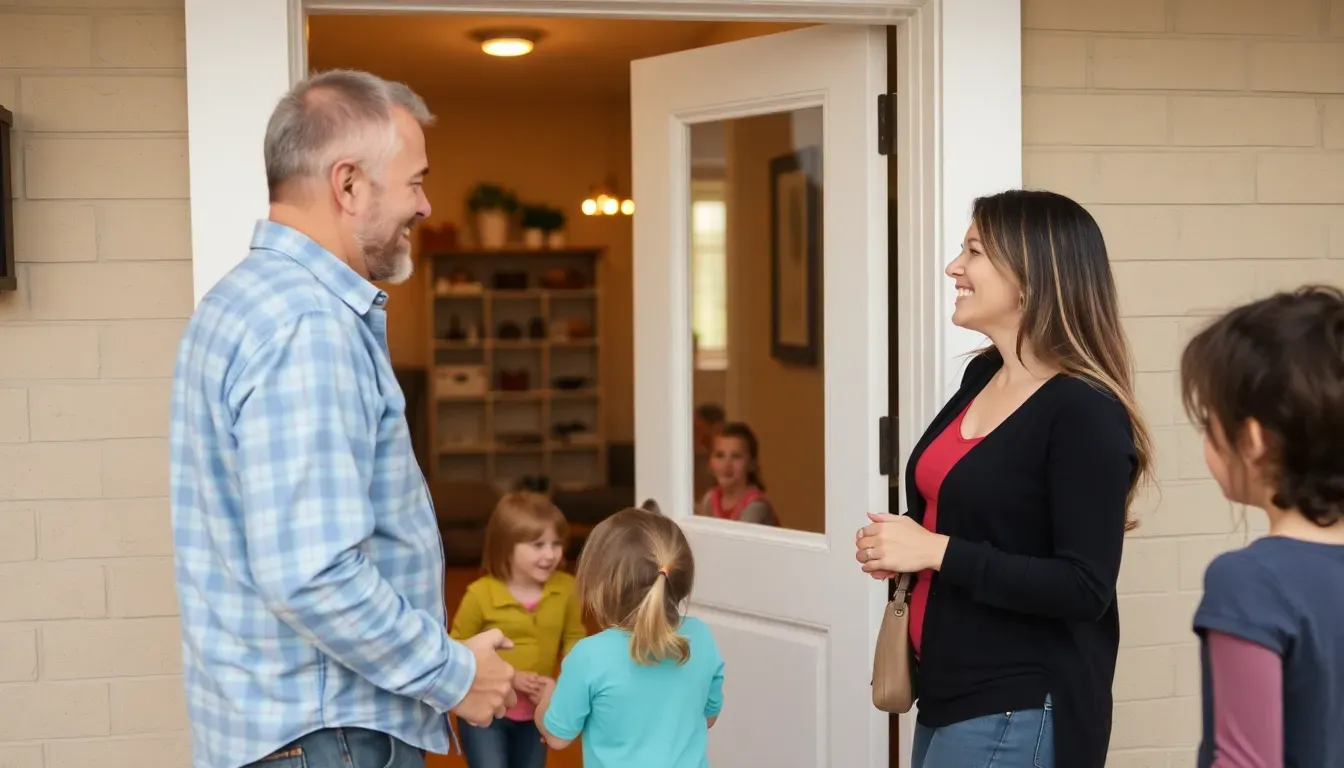
Remember your first playdate as a parent? Standing at someone's door, child in hand, wondering: Do I stay? Do I bring something? Is my kid supposed to help clean up? Why didn't anyone write down the rules?
Well, we're writing them down. Sort of.
The truth is, playdate etiquette isn't one-size-fits-all. Every family has different comfort levels, house rules, and expectations. But there ARE some universal guidelines that help everyone feel comfortable. Think of this as your playdate etiquette safety net – the basics that'll help you navigate without the awkwardness.
Before the Playdate: Setting Everyone Up for Success
How to Ask for a Playdate
The ask doesn't have to be complicated. Keep it casual and specific:
Good templates:
- "Hi! Emma mentioned she'd love a playdate with Sarah. Would you be up for getting them together sometime?"
- "The kids seem to really click! Want to set up a playdate? We could host or come to you."
- "Jack's been asking about a playdate with Ben. Any interest? Totally fine if now's not a good time!"
Timing considerations:
- Wait until kids have interacted a few times
- Don't ask during pickup chaos
- Give people an easy out
- Be specific about hosting or visiting
If they say no or deflect:
- Don't take it personally
- They might be overwhelmed
- Try again in a few weeks
- Some families just aren't playdate families
Essential Pre-Playdate Communication
Once you've got a yes, nail down the details:
Always ask about:
- Food allergies or restrictions - This is non-negotiable
- Drop-off or stay - Be crystal clear
- Pickup time - Specific, not "afternoon"
- Any triggers or fears - Dogs, loud noises, etc.
- Contact during playdate - Cell numbers exchanged
Nice to discuss:
- Screen time approach
- Snack preferences
- Outdoor/indoor plans
- Sibling involvement
- Any behavior challenges
Sample text: "Looking forward to Saturday! Just checking - any food allergies I should know about? Planning for 2-4pm, drop-off is fine but you're welcome to stay. We'll be in the backyard mostly. Let me know if anything else I should know!"
Hosting Etiquette: Making Guests Feel Welcome
Before They Arrive
House prep reality check:
- "Lived-in" is totally fine
- Clear pathways and play areas
- Clean bathroom with accessible supplies
- Put away anything truly precious
- Dog poop patrol if applicable
Have ready:
- Hand towel kids can reach
- Step stool if needed
- Toilet paper visible
- Easy snacks prepared
- Activities set up (but flexible)
When Guests Arrive
The first five minutes set the tone:
- Be ready (not in shower)
- Greet at the door
- Show kids where bathroom is
- Point out water/cups
- Mention any off-limits areas
Quick house rules for kids: "Hi friends! Bathroom's right here, cups for water on the counter. We can play anywhere except the office. Have fun!"
Simple. Clear. Done.
During the Playdate
Your hosting responsibilities:
- Supervise appropriately for age
- Offer snacks and water
- Mediate major conflicts
- Keep kids safe
- Respect pickup time
You DON'T have to:
- Entertain constantly
- Serve elaborate snacks
- Have a Pinterest-perfect house
- Solve every small conflict
- Be a cruise director
Snack Etiquette
The eternal question: what to serve?
Safe bets:
- Fruit (apples, grapes, berries)
- Crackers or pretzels
- Cheese sticks
- Water or juice boxes
- Nothing with common allergens unless cleared
Skip:
- Messy foods without asking
- Sugar overload
- Anything requiring utensils
- Your last special snack
The ask: "Anyone hungry? I've got apples and crackers."
Not a restaurant menu. Just options.
Managing Conflicts
Kids disagree. It happens. Your role:
For minor stuff:
- Let them work it out
- Redirect if needed
- Suggest taking turns
Intervention needed when:
- Someone's getting hurt
- Mean behavior continues
- Property being damaged
- One child very upset
Language that helps:
- "Looks like you both want the blue marker. What's a fair solution?"
- "We use kind words in this house."
- "Let's take a breathing break."
Dinner Time Dilemma
If playdate extends to dinner time:
Be clear upfront: "Pickup is at 5, before dinner" OR "You're welcome to stay for dinner - we're having pizza"
If serving dinner:
- Simple kid-friendly food
- Ask about restrictions again
- No pressure to eat
- Have a backup (PB&J)
Guest Etiquette: Being the Guest Everyone Wants Back
Arrival Protocol
Timing:
- On time or 5 minutes late
- NEVER early (hosts aren't ready)
- Text if running late
What to bring:
- Nothing required
- Shareable snack nice but optional
- Your kid's special comfort item if needed
- Epipen/medications if applicable
Drop-off clarity: "Should I stay or are you okay with drop-off?"
Don't assume. Always ask.
If You're Staying
Good guest parent behavior:
- Follow host's lead on involvement
- Don't rearrange their systems
- Offer to help but don't insist
- Supervise your own kid primarily
- Keep phone use reasonable
Conversation navigation:
- Light topics fine
- Avoid controversial subjects
- Don't pump for school gossip
- Be friendly but respect boundaries
If You're Dropping Off
Before you leave:
- Share your cell number
- Mention any special needs
- Confirm pickup time
- Quick behavior reminder to your kid
- Thank host and exit promptly
Don't:
- Give long instructions
- Undermine host's authority
- Linger at the door
- Forget pickup time
Pickup Etiquette
The golden rules:
- Arrive on time
- Text if running late
- Don't honk from driveway
- Allow transition time
- Help with cleanup
The pickup dance: "5 more minutes then cleanup time!"
Give kids warning. Nobody likes abrupt endings.
If your kid doesn't want to leave:
- Stay calm
- Be firm
- Don't negotiate in front of host
- "We can come back another time"
Post-Playdate
Within 24 hours:
- Text a thank you
- Mention something specific kids enjoyed
- Reciprocate invitation (when ready)
Sample text: "Thanks for having us! Jake loved the fort building. Let's do our house next time!"
Short. Appreciative. Forward-looking.
Navigating Different Scenarios
Drop-Off vs. Stay Decisions
Generally stay when:
- First playdate with family
- Kids under 5
- Your child seems uncertain
- Host seems to expect it
- You want to get to know parents
Drop-off usually fine when:
- Kids are school-aged
- You've done several playdates
- Host offers enthusiastically
- Your kid is comfortable
The Sibling Question
Asking to bring siblings: "Would it be okay if I brought Jake's little sister? Totally understand if you'd prefer just Jake."
If asked about siblings:
- Be honest about capacity
- "Just Emma today" is fine
- Offer future sibling playdate
Screen Time Navigation
Families differ wildly here.
As host:
- Mention your approach upfront
- Respect guest preferences
- Have non-screen backup plans
As guest:
- Ask if unsure
- Don't judge different approaches
- Your kid follows house rules
Different Family Styles: Judgment-Free Navigation
You'll encounter different:
- Cleanliness standards
- Food approaches
- Supervision styles
- Discipline methods
- Activity preferences
Your job:
- Notice without judging
- Adapt where reasonable
- Protect your boundaries
- Find compatible families
Not every family will be your match. That's okay.
Tricky Situations: Real Solutions
"My Kid Was Mean to Their Kid"
- Apologize simply
- Don't over-explain
- Address with your child privately
- Consider playdate break
"Their Kid Was Mean to Mine"
- Address in the moment if severe
- Talk to your child after
- Decide about future playdates
- No need for confrontation
"The House Felt Unsafe"
- Trust your gut
- Decline future playdates
- No detailed explanation needed
- "It's not working for our schedule"
"They're Always at Our House"
- Stop offering to host
- "Your turn to host!"
- Set your boundaries
- Some people don't reciprocate
"My Kid Doesn't Want to Go Back"
- Listen to your child
- Don't force it
- "Not feeling it lately" is enough
- Find other friends
Quick Reference: Dos and Don'ts
Universal DOs:
- Communicate clearly about everything
- Arrive and leave on time
- Ask about allergies every time
- Thank hosts genuinely
- Clean up before leaving
- Respect house rules
- Exchange contact information
- Give transition warnings
- Be flexible and friendly
Universal DON'Ts:
- Show up early
- Assume drop-off is okay
- Bring sick kids
- Overstay welcome
- Expect elaborate hosting
- Judge different parenting
- Use playdates as babysitting
- Ignore safety concerns
- Ghost after playdates
Cultural and Regional Differences
Remember, etiquette varies by:
- Geographic region
- Cultural background
- Socioeconomic factors
- Personal preference
Stay flexible. When in doubt, ask.
The Most Important Rules
After all these guidelines, here's what really matters:
- Safety first - Everything else is negotiable
- Clear communication - Prevents 90% of issues
- Mutual respect - Different doesn't mean wrong
- Kids' happiness - The actual point
- Relationship building - It's not just for kids
When Etiquette Goes Wrong
We all mess up. You'll be early. You'll forget allergies. Your kid will break something. You'll serve peanuts to the allergic kid (after asking!).
When you mess up:
- Apologize simply
- Fix what you can
- Learn for next time
- Move forward
When others mess up:
- Assume good intentions
- Address safety issues
- Let small things go
- Decide about future playdates
Making It Easier
Playdates shouldn't feel like diplomatic summits. They're kids playing while adults navigate the social complexities we've created. Keep it simple:
- Start with families that feel easy
- Build your playdate confidence
- Find your compatible crowd
- Remember why you're doing this
Your kids are building friendships, learning social skills, and making memories. A little etiquette smooths the way, but don't let it overshadow the joy.
Ready to navigate playdates with confidence? Playday takes the guesswork out of coordination. Send invitations, communicate details clearly, and track RSVPs all in one place. Because when the logistics are simple, you can focus on what matters – watching your kids build friendships that last.
Ready to plan your next playdate?
Playday makes it easy to coordinate with other parents and find the perfect time.
Get Started Free