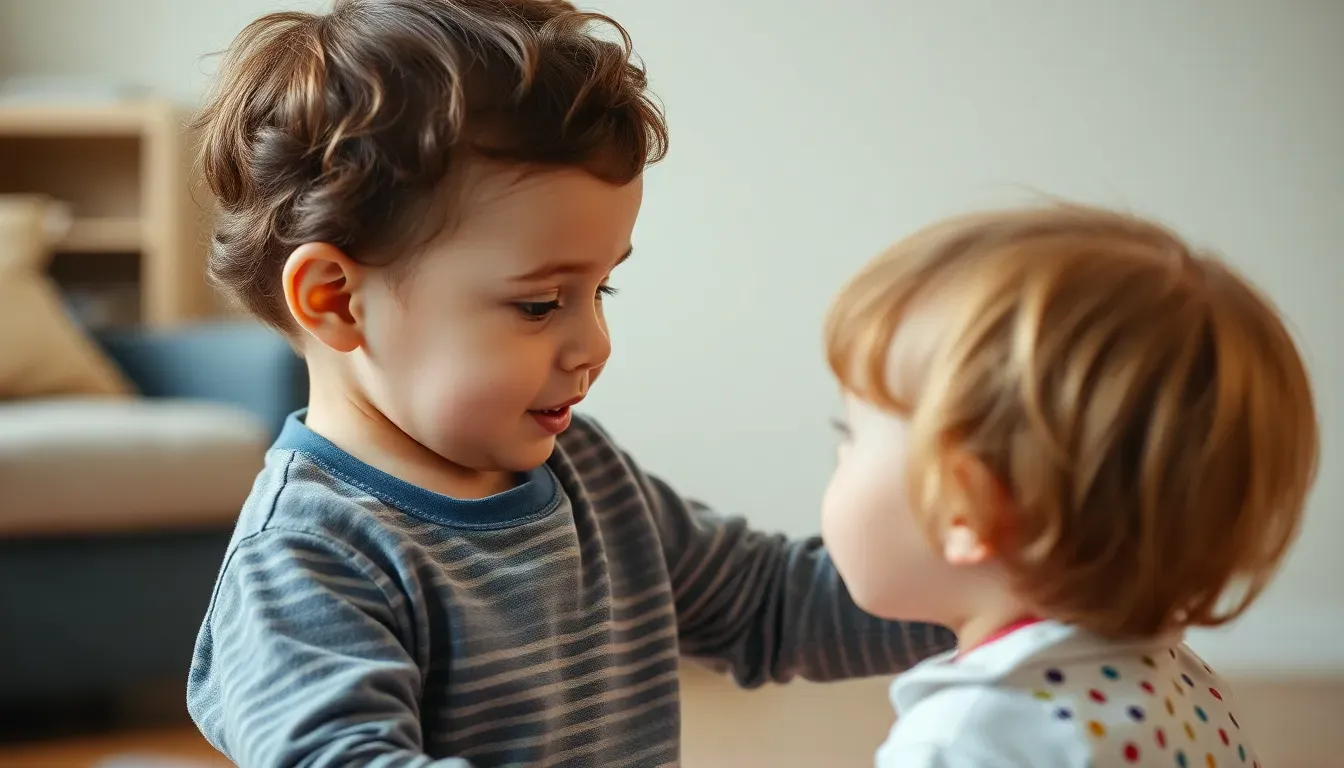
Playdate Tips for Shy Kids: A Gentle Guide for Parents
How to make playdates work for shy and introverted children. Practical strategies that respect your child's temperament while building social confidence.
Playdate Tips for Shy Kids: A Gentle Guide for Parents
Your heart sinks a little when you arrive at the playdate. While other kids immediately run off together, your child grips your hand tighter, pressing against your leg. Another parent offers a well-meaning "Don't be shy!" and you feel that familiar knot in your stomach.
But here's the truth: your child isn't broken. They're not antisocial. They don't need to be "fixed."
They're just wired differently – and playdates absolutely can work for them. They just need a different approach.
Understanding Your Shy Child
Before we dive into strategies, let's clear something up: shyness, introversion, and social anxiety aren't the same thing, though they can overlap. A shy child might feel nervous meeting new people but warm up over time. An introverted child might genuinely prefer smaller groups and need alone time to recharge. A child with social anxiety experiences intense fear in social situations that interferes with daily life.
Most kids we call "shy" fall somewhere in the first two categories – and that's completely normal.
What's really happening for your shy child:
- Their nervous system takes longer to feel safe with new people
- They process social situations more deeply
- They often feel things more intensely
- They actually DO want connection – they just need it on their terms
Understanding this changes everything. Your child isn't being difficult. They're being themselves.
Before the Playdate: Setting Up for Success
Choosing the Right Match
Not all playdates are created equal, especially for shy kids. Start strategic:
One-on-one is key. Group playdates can overwhelm even outgoing kids. For shy children, they're often torture. Stick to one friend at a time until your child specifically asks for more.
Temperament matching matters. A high-energy, constantly-talking child might overwhelm your quieter one. Look for:
- Kids who can handle silence
- Those who enjoy parallel play
- Children with similar energy levels
- Kids who share your child's interests
Familiar faces first. That kid from music class they've smiled at? Perfect first playdate candidate. Building on existing comfort, however small, sets everyone up for success.
Preparing Your Child
Surprises aren't fun for shy kids. Here's how to prep:
Give advance notice. "On Saturday, Emma is coming over to play for a little while." Simple, factual, no pressure.
Keep it short. Start with 30-45 minutes. Yes, really. A successful short playdate beats a stressful long one every time. You can always extend if it's going well.
Preview the plan. "Emma likes building blocks too. Maybe you could show her your castle. If you need a break, you can always go to your room for a few minutes."
Acknowledge their feelings. "Sometimes meeting friends feels nervous at first. That's okay. I'll be here the whole time."
Creating the Right Environment
Your home setup can make or break a playdate for shy kids:
Designate a quiet space. Before anyone arrives, identify where your child can retreat if overwhelmed. Their bedroom, a reading corner, even a tent made of blankets. Tell them explicitly: "If you need space, you can go here."
Limit choices. Too many activity options create decision paralysis. Set out 3-4 activities max:
- Art supplies at the table
- Blocks in one corner
- A puzzle ready to go
- Maybe one outdoor option
Start with parallel activities. Having something to DO reduces social pressure. Set up activities where kids can work side-by-side without forced interaction.
During the Playdate: Your Supporting Role
This is where many well-meaning parents accidentally make things harder. Your role isn't to force interaction or entertain. It's to be a gentle scaffold.
The First 15 Minutes
These are crucial. Shy kids often need what researchers call a "warm-up period" – time to observe and assess before engaging. This isn't rudeness or defiance. It's self-preservation.
Do:
- Stay physically close initially
- Engage with the guest child yourself, modeling interaction
- Narrate neutral observations: "I see you both like the blue blocks"
- Allow parallel play without comment
Don't:
- Say "Don't be shy" or "Go play!"
- Apologize for your child's behavior
- Leave abruptly once they seem settled
- Compare them to the other child
Gentle Scaffolding
As your child warms up, you can gently facilitate without forcing:
Bridge conversations: "Sarah, Maya has a dog too. Maya, do you want to tell Sarah about Buddy?"
Offer structured activities: "Would you both like to help me make play dough?" Shared tasks reduce social pressure.
Validate non-verbal communication: Your child pointing at something or showing a toy IS communication. "Oh, you want to show Sarah your dinosaur!"
Reading the Signs
Watch for overwhelm signals:
- Increased clinginess
- Sudden tears over small things
- Aggressive behavior (yes, even shy kids)
- Complaints of tummy aches or headaches
- Hiding or trying to leave the room repeatedly
These aren't signs of failure. They're communication. Your child has hit their social capacity.
Activities That Work for Shy Kids
Some activities naturally ease social pressure:
Art and crafts – Working side-by-side on individual projects allows connection without constant interaction.
Building activities – Blocks, Legos, magnetic tiles. Collaborative but not face-to-face.
Outdoor play – Open space feels less intense. Sidewalk chalk, sandbox play, or just exploring the yard.
Cooking projects – Following recipe steps provides structure and shared purpose.
Sensory bins – Digging in rice, beans, or water beads can be calming and naturally collaborative.
The key? Activities that allow engagement without demanded eye contact or constant conversation.
What NOT to Do (Even Though You'll Want To)
In our eagerness to help, we sometimes make things worse:
Don't label in front of others. "She's just shy" might seem explanatory, but it boxes your child in and can become a self-fulfilling prophecy.
Don't apologize for them. "Sorry, she takes a while to warm up" sends the message that their temperament is problematic.
Don't use them as an example. "Look how nicely Emma is playing!" Comparisons sting, especially for sensitive kids.
Don't force physical affection. "Give your friend a hug goodbye!" Respect their boundaries – a wave or high-five is fine.
Don't debrief critically. After the playdate, resist "Why didn't you talk more?" Instead try "What was your favorite part?"
When It's Not Going Well
Sometimes, despite your best efforts, a playdate goes south. That's okay. Really.
Signs it's time to end early:
- Your child has retreated multiple times
- They're getting increasingly upset over small things
- The other child seems frustrated or bored
- You're spending more time managing than they are playing
How to end gracefully: "We've had so much fun, but it's time to wrap up for today." No big explanations needed.
After a difficult playdate:
- Don't make it a big deal
- Focus on any positive moment, however small
- Frame it as practice: "You tried something hard today"
- Take a break before the next attempt
Remember: One difficult playdate doesn't mean your child can't have friends. It just means that particular combination, on that particular day, didn't work.
Building Social Confidence Over Time
The beautiful thing about shy kids? They often form the deepest, most loyal friendships once they feel safe. Here's how to nurture that:
Repetition builds comfort. The same friend, repeatedly, is better than variety. That warmup period gets shorter each time.
Celebrate micro-wins:
- "You showed Emma your room today!"
- "I noticed you answered when she asked about your drawing"
- "You played near each other for ten whole minutes!"
Follow their interests. A shy dinosaur enthusiast might open up completely with another dino-lover. Shared passions override social anxiety.
Consider their energy. Many shy kids are also highly sensitive. A playdate after a busy school day might be too much. Weekend mornings often work better.
When to Be Concerned
While shyness is a normal temperament, sometimes it's worth checking in with professionals:
Consider talking to your pediatrician if:
- Your child's fear of social situations is increasing over time
- They're missing out on activities they want to do
- Physical symptoms (stomachaches, headaches) happen before every social situation
- They have no friends despite wanting them
- Their anxiety is affecting sleep or eating
Early intervention for true social anxiety can be life-changing. But remember – introversion itself isn't a disorder. Some kids simply prefer smaller social circles, and that's perfectly healthy.
For Shy Parents Too
Here's something we don't talk about enough: if you're a shy or introverted parent, arranging playdates can feel like torture. That parental small talk while your kids play? Exhausting.
It's okay to:
- Keep parental interaction minimal
- Suggest drop-off playdates once kids are comfortable
- Be honest: "I'm not much of a talker, but please make yourself comfortable"
- Choose locations that minimize parent interaction (parks where you can sit separately)
Your comfort matters too. Kids pick up on parental anxiety, so finding arrangements that work for you helps everyone.
The Long Game
Here's what I want you to remember: Your shy child doesn't need to become outgoing. They need to become themselves – the fullest, most confident version of their naturally quieter nature.
Some of the world's most successful people describe themselves as shy or introverted: Bill Gates, Marissa Mayer, Warren Buffett, J.K. Rowling. Their sensitivity and depth became strengths, not limitations.
Your child's shyness might mean:
- They think before they speak
- They notice details others miss
- They form deeper, more meaningful friendships
- They're excellent listeners
- They're often deeply creative
These are gifts, not deficits.
Moving Forward with Confidence
Playdates for shy kids don't have to be stressful – for them or for you. By respecting your child's temperament, creating the right conditions, and celebrating small wins, you can help them build genuine connections at their own pace.
Remember:
- Start small and short
- Choose friends thoughtfully
- Create low-pressure environments
- Stay close but don't hover
- End on a positive note
- Progress isn't always linear
Your shy child has so much to offer in friendship – compassion, loyalty, thoughtfulness, and depth. They just need the right conditions to let those qualities shine.
Ready to try a playdate that honors your child's temperament? Playday makes it easy to organize small, intentional gatherings. Set your own timeframe, invite just one family, and include a note about taking things slow. Because every child deserves friendships that feel good – even the quiet ones.
Especially the quiet ones.
Ready to plan your next playdate?
Playday makes it easy to coordinate with other parents and find the perfect time.
Get Started Free